Care & Fixes
Bra Care & Problem-Solving: Washing, Replacing & Common Fixes
A good bra is an investment, and how you care for it decides whether it lasts six months or three years. This guide covers washing, when to replace, and how to fix the two most common bra annoyances, digging straps and poking underwires, for good.
How to Wash a Bra Without Wrecking It
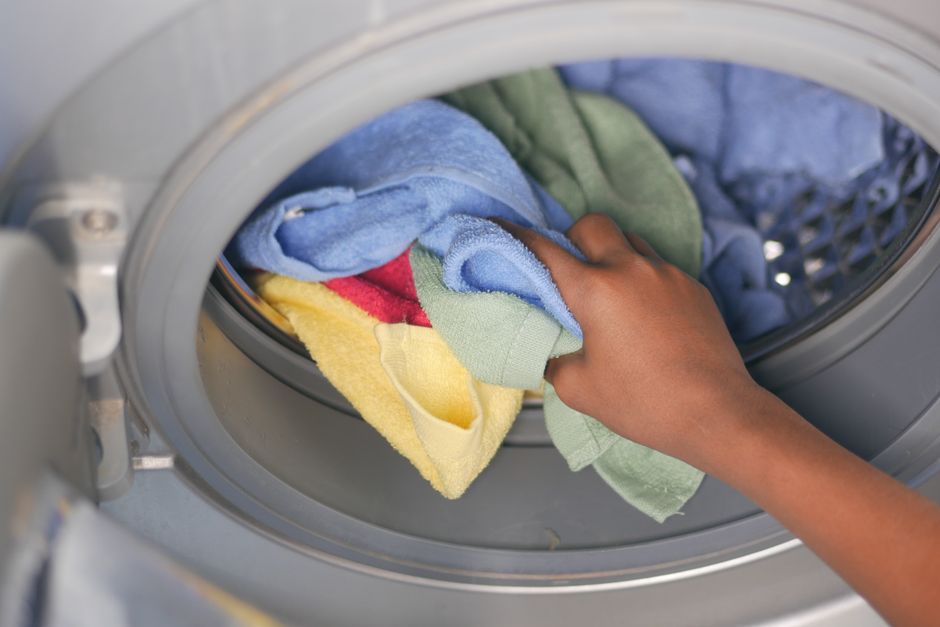
The heat and the tumbling do the damage, not the water. Fasten the hooks before anything goes in the wash, so the eyes cannot snag lace or strap elastic, then wash in cool water with a mild detergent and skip the fabric softener, which coats the fibres and quietly kills stretch.
Hand washing is the kindest option: a few minutes in cool water, a gentle squeeze through the cups, then rinse. If you machine wash, use a mesh bag on a delicate cycle and never put a moulded or padded cup in the dryer, because the foam creases and never comes back. Reshape the cups while damp and dry flat or hang by the centre gore rather than by a strap, which is how bands get stretched out of shape.
The single easiest habit is rotation. Give a bra a day to rest between wears and the elastic recovers instead of staying stretched. Two or three bras in regular use will comfortably outlast five worn in a row.
Shop mesh lingerie wash bags and gentle lingerie detergent.
When to Replace a Bra
Most bras last six to twelve months of regular wear. Replace yours when the band stretches out (you’re on the tightest hook and it still rides up), the cups lose shape, wires poke through, or straps won’t stay tight. A worn-out band means lost support, no matter how nice the bra looks.
The tightest hook is the honest test. A new bra should fit on the loosest hook and move inward as it ages, so if you are already on the last hook and the band still climbs your back, the bra has nothing left to give. Cups that have gone soft and creased will not hold their shape again either, and a strap that slips no matter how you adjust it is telling you the same thing.
When you do replace, it pays to buy the band rather than the trim. Shop well-made everyday bras with a firm band.
Retire one at a time rather than clearing the drawer. Replace the bra that has failed with a well-made everyday one, and keep the rest of the rotation going. If you are replacing more than two in a year, check the size first: a too-large band wears out fast.
Straps That Dig In
Digging straps almost always mean the band isn’t doing its job. Tighten the band fit first (usually a smaller band), then loosen the straps, they should only fine-tune, not carry the weight. Cushioned or wider straps and a racerback style spread the load for fuller busts.
The test is simple. Loosen both straps completely and see whether the bra stays up on its own. If it slides down, the band is too loose and no amount of strap tightening will help, it will only transfer the weight to your shoulders and leave grooves by the end of the day. Once the band is right, set the straps just tight enough to keep the cups smooth.
A racerback pulls the straps toward the centre of the back, which stops them slipping off narrow shoulders and spreads the pressure. If your bra has a J-hook, clipping the straps together does the same job without buying anything new.
Shop bras with cushioned racerback straps.
Fixing a Poking Underwire
A wire that pokes out is usually a fit or wear issue. If the cup is too small, the wire sits on tissue and works loose, size up the cup. If the bra is just old, the casing has worn through; you can temporarily patch it with moleskin or a wire guard, but a poking wire is your cue to replace.
Before you blame the bra, check where the wire sits. It should follow the crease under your bust and rest against your ribcage, never on breast tissue. If it presses or digs at the side, the cup is too small or the wire too narrow for your shape, and going up a cup while keeping the band is often the whole fix.
If the tip is coming through the fabric rather than sitting badly, stop wearing it. A wire that has escaped the casing will keep finding the same hole, and the temporary patches are exactly that. Look for a bra with a wider wire and full-coverage cups next time, and read the fitting and sizing guide before you buy.
Storing, Rotating & Travelling With Bras
Stack moulded cups nested inside one another with the bands folded behind, rather than folding the cups flat. Bend a padded cup in half and it creases along that line for good. Wire-free and soft-cup styles can go in a drawer normally, and hooks fastened keeps the eyes from catching lace in a crowded drawer.
For travel, pack a moulded bra with something soft inside the cup so it holds its shape, or use a dedicated case if you have several. Take the two you wear most rather than the whole rotation, and hand wash in the sink with a drop of travel detergent instead of sending anything to a hotel laundry.
Whatever the storage, keep a small rotation working. A bra worn every single day ages about twice as fast as one worn every other day, and rotation is free.
When a Fix Isn’t Enough: Resize Instead
If problems persist after these fixes, it’s usually a sizing issue, check the fitting and sizing guide. Straps that still dig, a band that still rides up and cups that still gape after you have adjusted everything are all signs that the number on the label is wrong, not that the bra is badly made.
Re-measure before you buy a replacement, and use sister sizing to move between bands without changing the cup volume. If your shape has changed rather than your size, the body shape and bust type guide covers which cuts suit which shapes, and bras by fabric and function explains which fabrics hold their shape longest.