Sports
Sports & Active Bras: The Complete Guide to Support by Impact Level
The wrong sports bra doesn’t just feel bad, it lets you down mid-workout and can strain the ligaments that keep your bust supported. The right one is matched to your activity’s impact level and fits snugly without restricting your breathing. Here’s how to choose, fit and care for a sports bra.
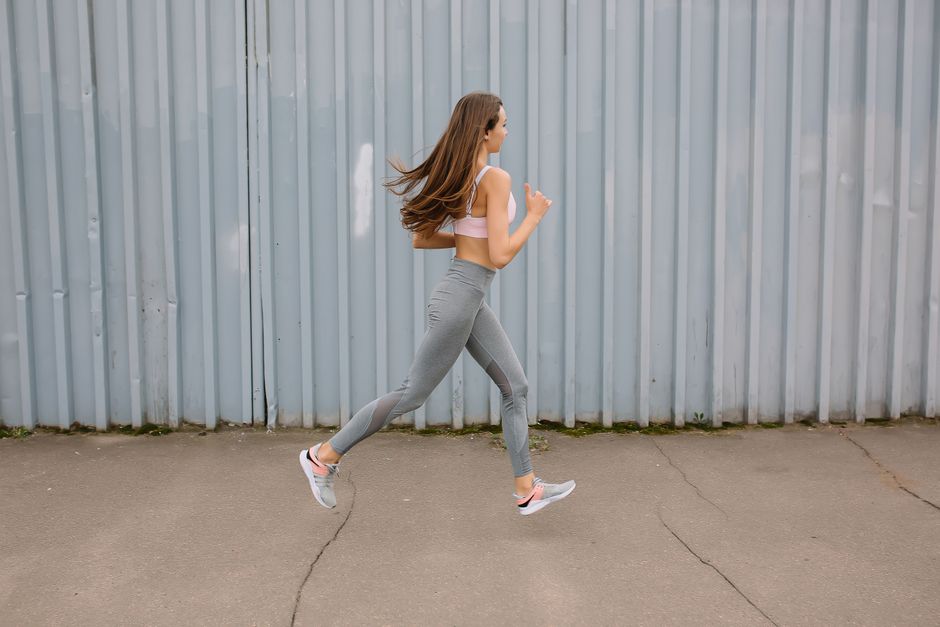
Sports Bras by Impact Level
Match the bra to the movement. Low-impact activities (yoga, walking, pilates) need light support. Medium-impact (cycling, hiking, weights) needs moderate hold. High-impact (running, HIIT, aerobics) needs maximum support to limit bounce, which protects the delicate ligaments in the bust.
| Impact level | Typical activities | Support to look for |
|---|---|---|
| Low impact | Yoga, walking, pilates | Light, often pull-on styles |
| Medium impact | Cycling, hiking, weights | Moderate hold |
| High impact | Running, HIIT, dance, aerobics | Maximum support to limit bounce |
- Low impact: yoga, walking, pilates, light pull-on styles.
- Medium impact: cycling, hiking, strength, moderate support.
- High impact: running, HIIT, dance, maximum-support bras.
Buy for your hardest session rather than your easiest one. A bra that only just contains a brisk walk will fail the moment you run for a bus, and the bounce you feel is the load the ligaments are absorbing. If you mix a weekly run into a schedule of walking and yoga, one maximum-support bra will cover all of it.
Shop high-impact sports bras.
How to Fit a Sports Bra
A sports bra should feel snugger than a regular bra but never restrict your breathing. The band does the work, so it should be firm and stay level when you raise your arms. Do the jump test in the fitting room: jog on the spot and check for bounce before you buy.
- Band: firm and level, doesn’t ride up when arms lift.
- Breathe test: snug but you can breathe deeply.
- Jump test: jog on the spot, minimal bounce.
Take the band down if you need more hold, not the straps. Most sports bras get their stability from a wide, firm band and a fairly high front, so a smaller band with the same cup size usually gives more control than a tighter strap. If the bra rolls up at the hem while you move, the band is too loose, no matter how tight the rest of it feels.
Shop supportive sports bras.
Compression vs Encapsulation
Compression bras press the bust to the chest, simple and effective for smaller busts and low-to-medium impact. Encapsulation bras have individual moulded cups that support each breast separately, better for fuller busts and high impact. Combination styles do both for maximum control.
- Compression: pull-on, best for smaller busts and lighter activity.
- Encapsulation: separate cups, better support for fuller busts.
- Combo styles give the most control for high impact.
If you have ever peeled a pull-on bra over your head after a sweaty session, you know the practical trade-off. Compression is quick to get into and works beautifully up to a moderate pace. Encapsulation takes longer to put on and often needs a hook-and-eye band, but it stops the bust moving as one mass, which is exactly what running and HIIT demand.
Shop encapsulation sports bras.
Straps, Clasps & Getting It On
Wider straps spread the load and stay put under a racerback top. Look for straps that adjust from the front, a hook-and-eye band rather than a pull-on if you want to fine-tune the fit, and a racerback or convertible back if you wear a lot of gym tops with a cut-in shoulder line.
Getting a firm sports bra on and off is part of the design, not an afterthought. A front-closing or hook-back band is far easier after a workout than a tight pull-on, and a bra you dread removing is one you will avoid wearing. Check the straps where they meet the cup, since that is the seam that wears first on a bra you use several times a week.
Shop racerback sports bras.
Support for Fuller Busts
Larger busts get the best results from encapsulation, a wide firm underband and adjustable straps that you can shorten without pulling the cups out of shape. A bra with a hook-and-eye band gives you somewhere to go as the elastic relaxes, and full-coverage cups keep everything contained when you move.
Fit really matters at this end of the size range, because a wrong band is felt immediately once you start moving. Measure before you buy rather than sizing up until it feels snug, and use the bra size calculator if you are unsure. Our body shape and bust type guide covers fuller-bust and narrow-back combinations in more detail.
Caring for Sports Bras
Sweat and heat break down elastic fast, so rinse or wash sports bras after workouts, use cool water and mild detergent, and always air-dry, never tumble dry. Rotate several so each recovers its stretch, and replace them once the support fades, usually sooner than everyday bras.
- Wash after use: sweat degrades elastic quickly.
- Air-dry only: heat ruins the stretch and support.
- Replace when the compression or band feels loose.
A ten-second rinse in cool water straight after a workout does most of the work, and it takes the salt out before it settles into the fibres. Keep two or three in rotation if you train most days, and follow the same rules as any other bra: fasten the hooks, use a mesh bag, and dry flat or hanging by the band.
Shop moisture-wicking sports bras.
When to Replace a Sports Bra
Sooner than everyday bras, sweat and heat wear out the elastic. Replace once the band or compression feels loose and the support noticeably fades. If you can pull the band away from your back with ease, or the bra that used to hold you still now lets you bounce on the spot, it is done.
The stretch test is quicker than any label: hold the bra band in both hands and pull. An old one gives immediately. Newer bras recover, older ones do not, and no amount of careful washing brings back elastic that has gone. Keep the newest bra for your hardest sessions and let the older ones retire to walking and yoga.
For the everyday side of the drawer, see everyday and comfort bras, and for washing and repair advice that applies to every bra you own, read bra care and problem-solving.