Fabric & Function
Bras by Fabric, Feel & Function: Cotton, Lace, Seamless & More
The fabric and construction of a bra decide how it feels by hour eight, whether it breathes in summer, and how it wears after fifty washes. This guide covers what your bra is made of and why it matters, from cotton versus lace to seamless, breathable, jelly and sensitive-skin options.
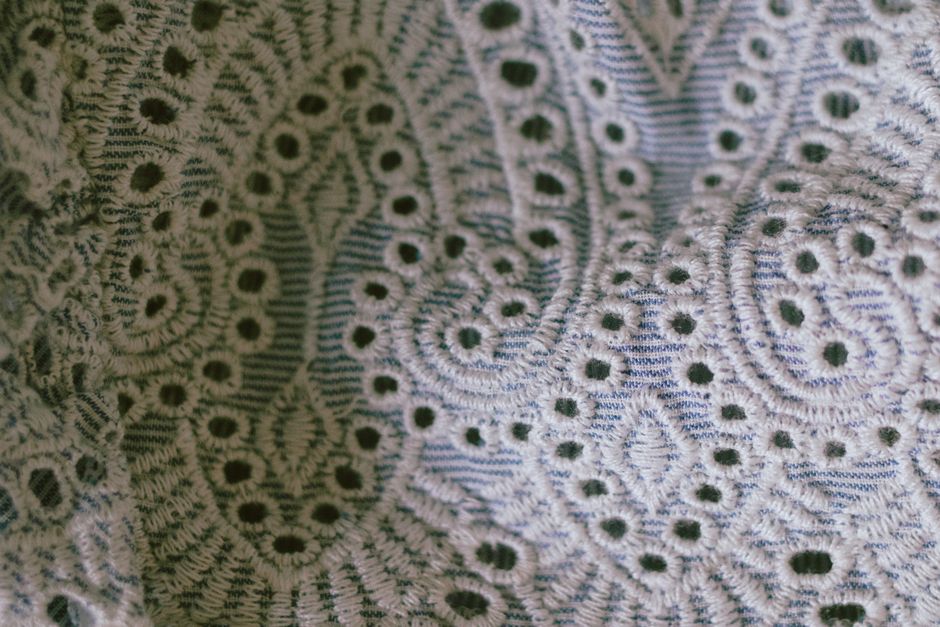
Cotton vs Lace vs Microfiber
Each fabric has a job. Cotton breathes and suits sensitive skin but can lose shape. Lace looks beautiful and adds a little give, though it can show under tops. Microfiber is smooth, quick-drying and invisible under clothes, the go-to for everyday t-shirt bras.
- Cotton: breathable, gentle, best for comfort and heat.
- Lace: pretty and flexible, but visible under fitted tops.
- Microfiber: smooth, invisible, low-maintenance everyday pick.
In practice, most comfortable bras mix two of the three: a cotton or modal lining against the skin, with a smooth outer layer so the texture stays under your clothes. When you read a label, look for the fabric that touches you first, because that is the one you will feel at hour eight. Shop cotton bras if breathability is the priority, or shop microfiber t-shirt bras for a smooth line under everything.
Seamless Bras
Seamless, moulded cups are made in one piece, so there are no stitch lines to print through a tight top. They give a clean, rounded shape and vanish under bodycon, silk and fine knits. The everyday hero for a smooth silhouette.
- Best for: tight tops, dresses, anything clingy.
- Shape: smooth and rounded, no seam show-through.
- Care: hand-wash or use a bag to protect the foam.
Because there are no seams, the cup shape has to suit you rather than adapting to you, so fit matters more here than anywhere else. Check that the cup edge lies flat and that the foam doesn’t crease when you lift your arms. Shop seamless bras and read the invisible bra guide if you need a smooth bra that also has to stay hidden.
Breathable & Hot-Weather Bras
In heat, fabric choice is everything. Look for cotton or moisture-wicking fabrics, mesh side panels, and minimal foam so air can move. A lighter, breathable bra prevents that sticky, damp-band feeling on hot days.
- Fabrics: cotton, bamboo, moisture-wicking blends.
- Details: mesh panels, thin or no foam.
- Colour: lighter shades absorb less heat.
The band is where heat hurts most, because a wide band holds sweat against the ribcage all afternoon. A breathable band, a mesh back and a lining that wicks will do more for you than a lighter cup. Shop breathable mesh bras and keep two in rotation through summer so one can dry fully between wears.
Sensitive Skin
If your skin reacts, the enemies are seams, tags, harsh elastics and synthetic linings. Seek soft-brushed cotton or modal, tag-free labels, covered elastic, and flat or bonded seams. Wire-free reduces pressure-point irritation too.
- Look for: tag-free, soft cotton/modal, covered elastic.
- Avoid: scratchy lace linings and stiff seams.
- Wash with fragrance-free detergent to limit reactions.
Scratchiness usually comes from the lining or the elastic edge rather than the outer fabric, so feel the inside of the band before you buy. Lace can still work where it sits over a smooth lining. Shop tag-free wireless bras and wash new bras before the first wear to remove any finishing residue.
Mesh, Spacer Foam and Other Useful Weaves
A few materials do a specific job well, and knowing what they are for makes labels easier to read.
Mesh is an open weave that lets air through, which is why it usually appears at the sides and back rather than across the cups. It adds ventilation without adding bulk, and a mesh wing also holds its shape better than plain knit elastic.
Spacer foam is a breathable, double-layer knit with air between the layers, so it gives a moulded, seamless look with far less weight and heat than solid foam. It keeps a smooth line under a t-shirt without the padded feel of a push-up cup.
Modal and bamboo blends behave like an upgraded cotton: soft, breathable and quick to dry, with a bit more stretch recovery, which means the band holds its shape longer. If cotton drops out of shape on you, these are the fabrics to try next.
Jelly Bras and Gel Padding
Jelly bras use a soft gel or silicone padding instead of solid foam, which gives a natural, squishy push-up effect rather than a stiff one. The gel warms to your body and moves with you, so the shape reads as yours rather than moulded. It suits anyone who wants a little lift without a hard cup edge.
Two things to know before you buy. Gel adds weight, so the band has to be right: a gel cup on a loose band will droop and slide. And because the padding is thickest at the bottom or sides, check that the cup still sits flat against your ribcage when you move. Treat the padding gently and wash by hand, since heat and machine spin are what break down gel and foam alike.
How Fabric Affects Fit and Longevity
Two bras can be the same size and still age differently, because stretch recovery, not softness, decides which one still fits in a year.
- Elastic in the band is what stretches first. A good band recovers when you pull it and let go; if it stays stretched, the bra is finished whatever the cups look like.
- Moulded foam keeps its shape if you protect it from heat. Hot washes and tumble drying are what make cups crease and go lumpy.
- Lace gives gently and hides minor size changes, but is easy to snag, so keep it out of the same wash as hooks and zips.
- Cotton is the kindest to skin and the least elastic; it can lose shape over time, so rotate cotton bras rather than wearing one every day.
The short version: fit is a size question, longevity is a fabric question, and both are decided by how you wash. The bra care and problem-solving guide covers the wash, dry and rotation routine that keeps a band firm for longer.
Fabric at a Glance
| Fabric | Feel | Best for | Watch for |
|---|---|---|---|
| Cotton | Soft and breathable | Comfort, heat, sensitive skin | Loses shape over time |
| Lace | Pretty, with a little give | Pretty everyday and evening styles | Visible under fitted tops, snags easily |
| Microfiber | Smooth and quick-drying | Everyday t-shirt bras | Can feel slippery on the band |
| Seamless moulded | Smooth, rounded, no seam lines | Tight tops, dresses, clingy fabrics | Foam needs careful washing |
| Mesh | Light and airy | Sides and backs in hot weather | Less coverage than a knit cup |
| Spacer foam | Moulded but light | Smooth coverage without heavy padding | Costs more than plain foam |
| Modal / bamboo | Soft, breathable, good recovery | All-day comfort and sensitive skin | Needs gentle washing to stay soft |
| Gel / jelly | Soft push-up effect | Natural-looking lift | Adds weight, so band fit has to be right |
Whichever fabric you land on, buy for the hour you will actually wear it. A bra that breathes, keeps its band firm and sits smoothly under your clothes is worth more than a prettier one that fails by mid-afternoon — and the everyday and comfort bra guide covers the styles that do that best.