Body Shape
Bras for Every Body Shape & Bust Type: The Complete Fit Guide
Two bras in the same labelled size can behave completely differently on the body, because your size gives you the measurements and your shape decides which cut will actually work with them. Get the band and cup right first, then shop for the shape you have. This guide takes it shape by shape: what to look for, what to skip, and the fit check that proves it works.
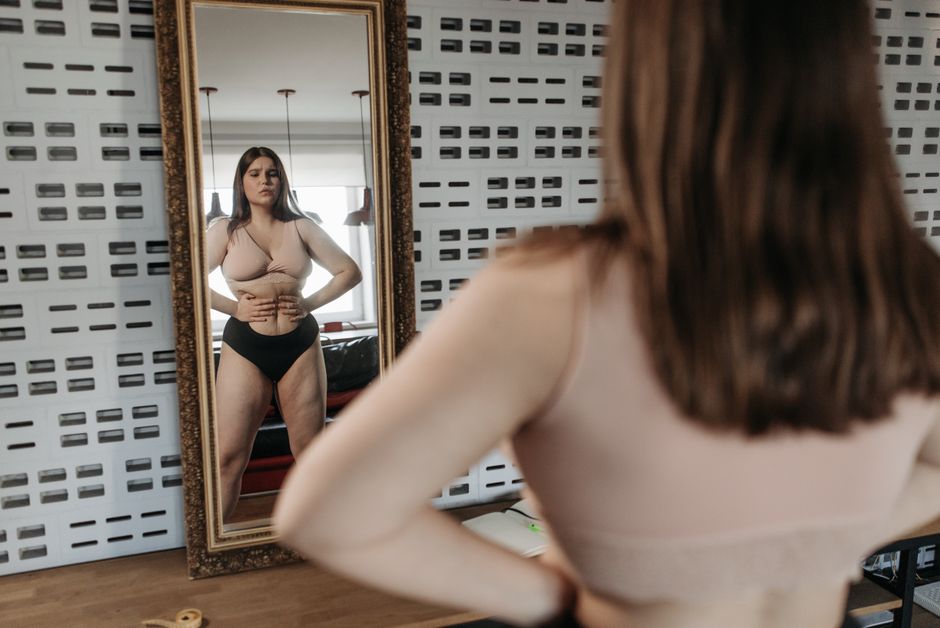
Start With Size, Then Choose for Shape
Shape does not change your measurements. It changes which styles work with them, which is why the same 34C can feel perfect in one bra and unwearable in the next. So settle the numbers first: measure your underbust for the band, then around the fullest part of your bust for the cup, or put both through the bra size calculator and skip the arithmetic.
If you land between two sizes, or you genuinely cannot tell whether the band or the cup is the problem, the complete bra fitting and sizing guide covers sister sizing, band versus cup and the seven signs of a bad fit. Ten minutes there makes every section on this page easier to use, because you will be shopping for your real size instead of guessing around it.
Then work down the page to the shape that sounds most like you. Each section gives you the styles that suit it, the ones to avoid, and a fit check you can run in the fitting room before you commit.
Full & Large Busts: Support Without Spillage
A fuller bust needs the band and cups working as a team. The band carries the weight, so it has to be firm and level; the cups need enough depth and coverage to contain everything without cutting in. Look for wide, cushioned straps, three or four hook-and-eye rows, and side panels or ‘wings’ that stop side spillage.
- Style: full-cup or balconette with side support panels.
- Avoid: shallow demi cups and thin spaghetti straps, they can’t hold volume.
- Fit check: the centre gore tacks flat, wires sit on the ribs (not tissue), no quad-boob over the top.
Shop full-support bras for large busts and prioritise band fit first.
Small Chest & Athletic Builds
A smaller, athletic frame often has firmer tissue and a broader, more muscular back. The trick isn’t padding for its own sake, it’s shape. Lightly lined, moulded, or plunge styles add gentle roundness and a natural lift without swamping you.
- Style: plunge, moulded t-shirt, or triangle bralettes.
- For shape: a little padding or a push-up creates a soft curve if you want it.
- Comfort win: wire-free and bralette styles suit smaller busts beautifully.
With less tissue to carry, you can choose a bra for the shape it gives you rather than for structure alone, and you can wear softer, lighter construction all day without losing anything. Lace, mesh and ribbed knits all behave well here. Shop moulded t-shirt bras if you want a smooth line, or read the everyday and comfort bra guide for wireless and bralette options worth wearing seven days a week.
Petite Frames
Petite doesn’t just mean small-busted, it means a shorter torso and often a narrower ribcage. Standard bras can sit too tall on the body, so the gore pokes and straps slip. Look for lower-cut cups, shorter gores, and adjustable straps set closer together.
- Style: demi cups and lower gores that suit a shorter frame.
- Straps: fully adjustable, ideally convertible for close-set shoulders.
- Band: smaller bands (28, 30, 32) in brands that actually make them.
Try the bra on and check where the cups end: if the top edge reaches your collarbone before the straps do, the cups are cut for a longer torso than yours. A demi that stops lower on the bust usually looks neater under a small frame. Shop petite demi bras and check the strap length before you buy, because excess strap you can’t shorten is wasted adjustment.
Full Bust, Narrow Back
If you need a big cup on a small band, you’ve hit the hardest fit in bra land. Many brands stop making small bands in large cups, which pushes people into a too-big band and a too-small cup. Don’t compromise: seek specialist full-bust brands that offer 28 to 34 bands in D+ cups.
- Rule: get the band snug first, then chase the cup upward.
- Style: side-support panels keep a big cup forward and centred.
- Sister sizing is your friend when a size is out of stock.
When the band is right, the cup size you need often looks bigger on the label than you expect, and that is not a mistake: the volume has to go somewhere once the band stops borrowing it. Shop small-band, large-cup bras and keep the sister size chart open when your size sells out.
Shallow, Close-Set and Asymmetric Busts
Three fit quirks come up again and again, and none of them mean your size is wrong.
A shallow bust spreads over a wider area with less forward projection, so a deep cup looks empty at the top even in the correct size. Look for wide, shallow cups, half-cup and demi styles, seamless moulded cups and bralettes; skip deep plunges that ask for volume you don’t have to fill. If the fabric wrinkles at the top while the band sits level, the cup is too deep rather than too big.
A close-set bust sits with little space at the centre, so a tall gore and its wires press into tissue all day. Low gores, plunge shapes and wire-free styles solve it. A gore that sits flat on your ribcage is doing its job, and it does not have to sit high to do it.
An asymmetric bust, where one side sits noticeably larger, is common and normal. Fit the larger side and use removable padding, an insert or a stretch-lace cup to even the smaller side out. Cups with some give cope with the difference better than rigid moulded foam, and nothing shows under a t-shirt either way.
Broad Shoulders, Back Smoothing & Minimizers
Broad shoulders pull straps wide, so standard strap placement drifts outward and slips off. Look for straps set further apart, convertible or racerback styles, and front-close bras that pull the straps inward as they fasten. Tighten straps last, after the band, so you are not using strap tension to do the band’s job.
Back smoothing is mostly a band story. A wide band with three or four hooks and seamless side panels sits flatter under fitted clothes than a narrow two-hook band, and it spreads pressure so nothing digs in by the end of the day. Bonded and smooth-back designs remove the hardware altogether, which is why they disappear under fine knitwear. Shop back smoothing bras if smooth is the priority.
Minimizers redistribute the bust so it sits closer to the chest and lower in profile under clothes. They don’t change your size, and a well-fitted one doesn’t compress tissue, so size it like any other bra: band first, then cup. Expect a wider, flatter shape rather than the rounded line a moulded cup gives. Shop minimizer bras and try one size down in the cup only if the gore still tacks flat.
Style by Shape at a Glance
Use this as a shortcut when you are standing in the fitting room or scrolling a size filter.
| Shape | Start here | Watch for |
|---|---|---|
| Full or large bust | Full-cup or balconette with side support panels | Shallow demi cups and thin spaghetti straps |
| Small chest, athletic frame | Plunge, moulded t-shirt and triangle bralettes | Cups that swamp you or pad beyond the shape you wanted |
| Petite frame | Demi cups, lower gores, bands 28 to 32 | Cups and gores cut for a longer torso |
| Full bust, narrow back | Small bands in D+ cups with side support | Being pushed into a bigger band and a smaller cup |
| Shallow bust | Wide, shallow cups and moulded styles | Deep plunges that leave the cup empty at the top |
| Close-set bust | Low gores, plunge and wireless styles | Tall gores and wires pressing on tissue |
| Asymmetric bust | Fit the larger side, pad the smaller | Rigid foam cups with no give |
| Broad shoulders | Wider-set, convertible or racerback straps | Over-tightening straps to stop them slipping |
Whichever row you fall into, the same three checks decide whether a bra is worth keeping: the band sits level and firm on the loosest hook, the gore rests flat against your ribcage, and nothing spills, gaps or digs when you move your arms. If two of the three fail, try another size before you try another shape.